
Comprehensive Application Range
Primary Material Processing
-
Copper Recovery: Wasted copper materials, cables, electrical components, and copper alloys
-
Aluminum Sorting: Aluminum cans, automotive parts, industrial scrap, and aluminum alloys
-
Electronic Waste: Comprehensive e-waste processing for precious metal recovery
-
Industrial By-products: Dross from printing, smelting residues, and manufacturing waste
Specific Industry Applications
-
Municipal Waste Recycling: Aluminum can recovery from city waste streams
-
Material Separation: Precise separation between aluminum cans and ferrous materials
-
Industrial Ash Processing: Non-ferrous metal recovery from boiler ash and incinerator residues
-
Automotive Recycling: Aluminum and copper piece recovery from waste vehicle shredder residue
-
Metallurgical Operations: Aluminum recovery from blast furnace slag in smelting operations
-
Plastic Recycling Lines: Iron metal impurity removal from plastic recycling streams
-
Appliance Processing: Comprehensive waste refrigerator and appliance recycling
-
Electronic Waste Treatment: Specialized processing for electronic components and circuit boards
Technical Specifications & Model Range
Complete Model Comparison Chart
| Model No. | Belt Width (mm) | Magnetic Field Intensity (GS) | Drum Diameter (mm) | Drum Speed (r/min) | Belt Speed (m/s) | Capacity (m³/h) | Drum Drive Power (kW) | Belt Drive Power (kW) | Weight (kg) |
|---|---|---|---|---|---|---|---|---|---|
| HTECS-3 | 300 | ≥3000 | 320 | 50~2880 | 0~2 | 2~3 | 4 | 1.1 | 1100 |
| HTECS-4 | 400 | ≥3000 | 320 | 50~2880 | 0~2 | 3~4 | 4 | 1.1 | 1200 |
| HTECS-5 | 500 | ≥3000 | 320 | 50~2880 | 0~2 | 4~5 | 4 | 1.1 | 1400 |
| HTECS-6 | 600 | ≥3000 | 320 | 50~2880 | 0~2 | 5~6 | 4 | 1.1 | 1500 |
| HTECS-6.5 | 650 | ≥3000 | 320 | 50~2880 | 0~2 | 5~7 | 4 | 1.1 | 1700 |
| HTECS-7 | 700 | ≥3000 | 320 | 50~2880 | 0~2 | 6~8 | 5.5 | 1.1 | 1900 |
| HTECS-7.5 | 750 | ≥3000 | 320 | 50~2880 | 0~2 | 7~9 | 5.5 | 1.1 | 2100 |
| HTECS-8 | 800 | ≥3000 | 320 | 50~2880 | 0~2 | 8~10 | 7.5 | 1.1 | 2500 |
| HTECS-10 | 1000 | ≥3000 | 320 | 50~2880 | 0~2 | 9~11 | 7.5 | 1.5 | 3100 |
| HTECS-12 | 1200 | ≥3000 | 320 | 50~2880 | 0~2 | 10~12 | 11 | 2.2 | 3500 |
| HTECS-14 | 1400 | ≥3000 | 320 | 50~2880 | 0~2 | 12~14 | 11 | 2.2 | 3900 |
| HTECS-15 | 1500 | ≥3000 | 320 | 50~2880 | 0~2 | 13~15 | 11 | 2.2 | 4300 |
| HTECS-20 | 2000 | ≥3000 | 320 | 50~2880 | 0~2 | 17~20 | 15 | 3 | 5200 |
Core Technical Parameters
-
Magnetic Intensity: Drum surface magnetic intensity exceeds 3500 GS
-
Feed Size Range: 5~120 mm optimal processing range
-
Separation Frequency: Adjustable 0~60 Hz for material-specific optimization
-
Belt Speed Range: 0~2 m/s variable control
-
Drum Speed Range: 50~2880 r/min high-precision adjustment
Key Features & Technical Advantages
Performance Excellence
-
High Efficiency Separation: Advanced eddy current technology ensures superior non-ferrous metal recovery rates
-
Structural Stability: Robust yet lightweight frame design for reliable long-term operation
-
Exceptional Adaptability: High processing capacity across diverse material types and conditions
-
Environmental Optimization: Specifically designed for environmental protection and recycling applications
-
Operational Convenience: User-friendly controls enabling extended continuous operation periods
Advanced Control Systems
-
Dual Adjustable Speeds: Independent control of belt speed and magnetic roller rotation speed
-
Precision Frequency Adjustment: 0-60 Hz separation frequency optimization for different materials
-
Variable Magnetic Field: Adjustable magnetic intensity for material-specific separation requirements
-
Intelligent Operation: Simplified controls with precise adjustment capabilities
-
Continuous Monitoring: Real-time performance tracking and adjustment systems
Working Principle & Technology
Eddy Current Separation Mechanism
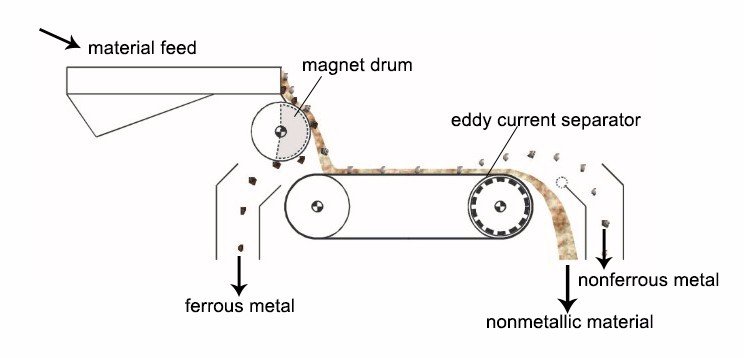
The HTECS Eddy Current Separator operates on the principle of electromagnetic induction, where a rapidly rotating magnetic roller generates a high-frequency alternating magnetic field. When non-ferrous metals pass through this field, eddy currents are induced within the conductive materials (aluminum, copper, etc.), creating their own magnetic fields that repel them from the main magnetic roller. This repulsive force propels non-ferrous metals off the conveyor belt trajectory, effectively separating them from non-conductive materials.
System Components
-
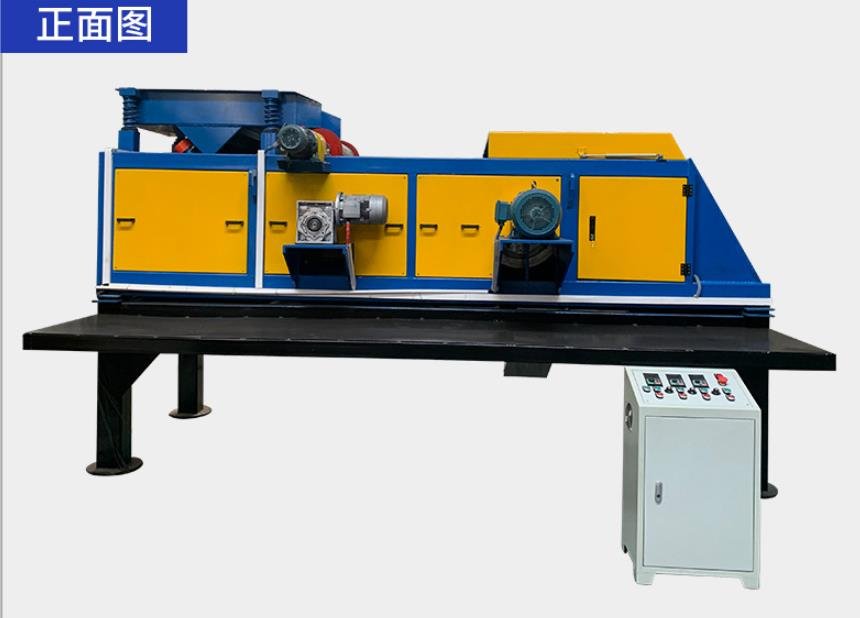
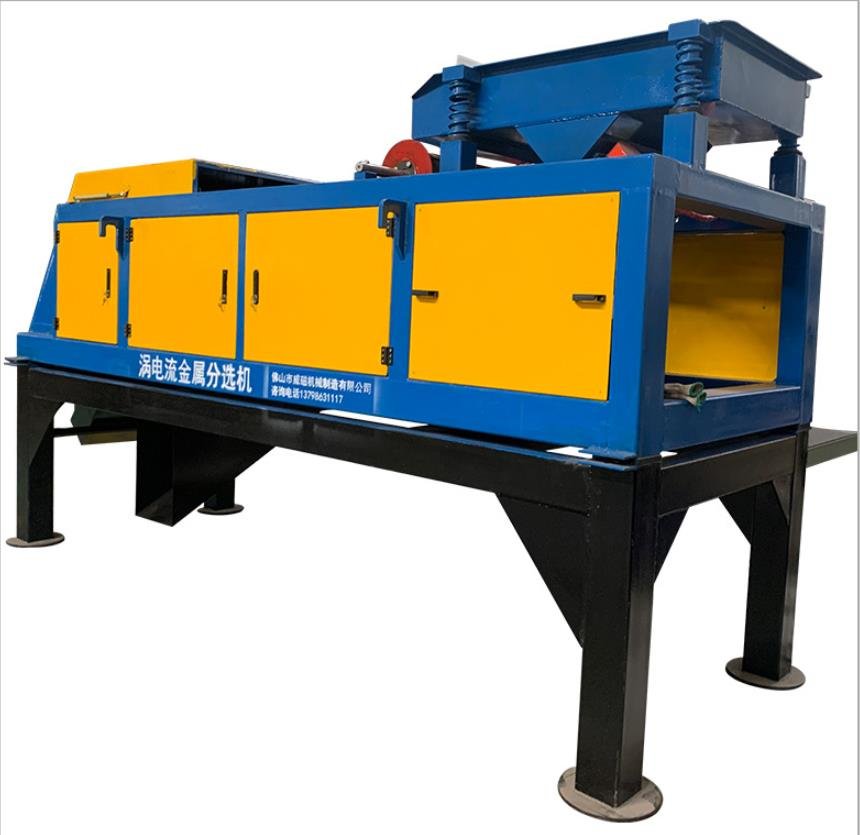
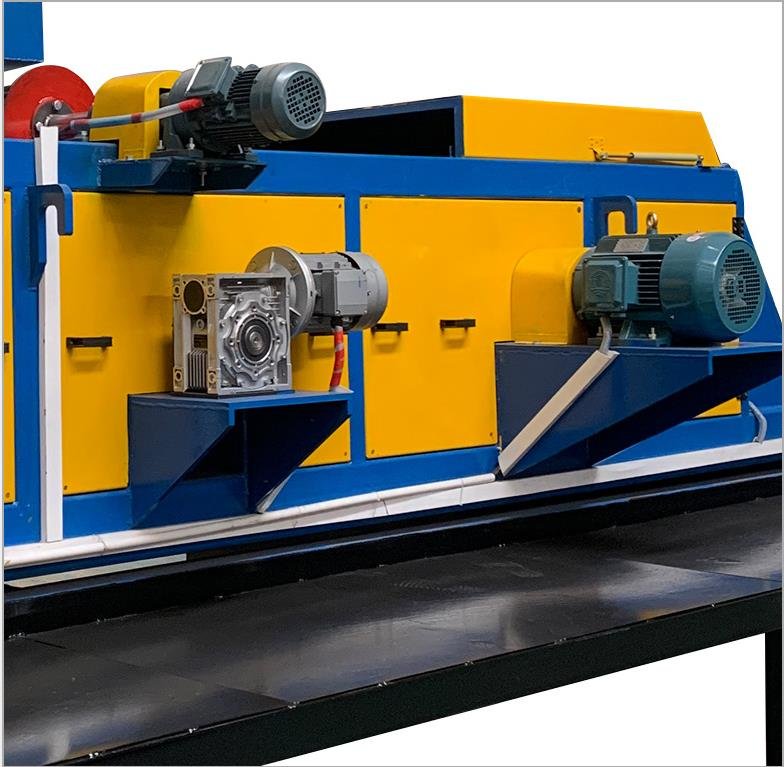
High-Frequency Magnetic Roller: Precision-engineered magnetic drum with adjustable rotation speed
-
Conveyor Belt System: Variable speed belt for controlled material presentation
-
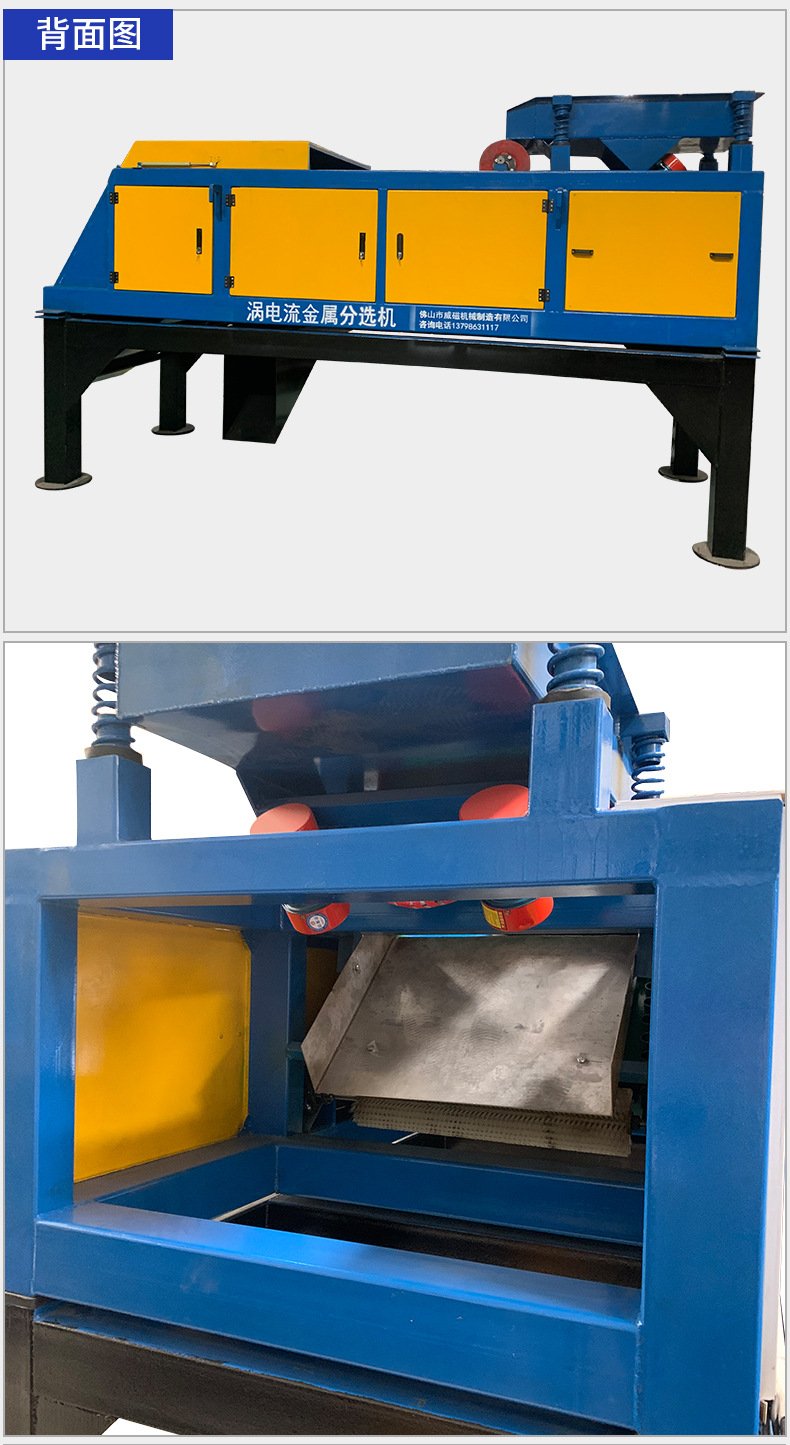
Separation Chamber: Optimized geometry for maximum separation efficiency
-
Material Collection System: Segregated collection for ferrous, non-ferrous, and non-metallic fractions
-
Control Panel: Centralized control system with speed and frequency adjustments
-
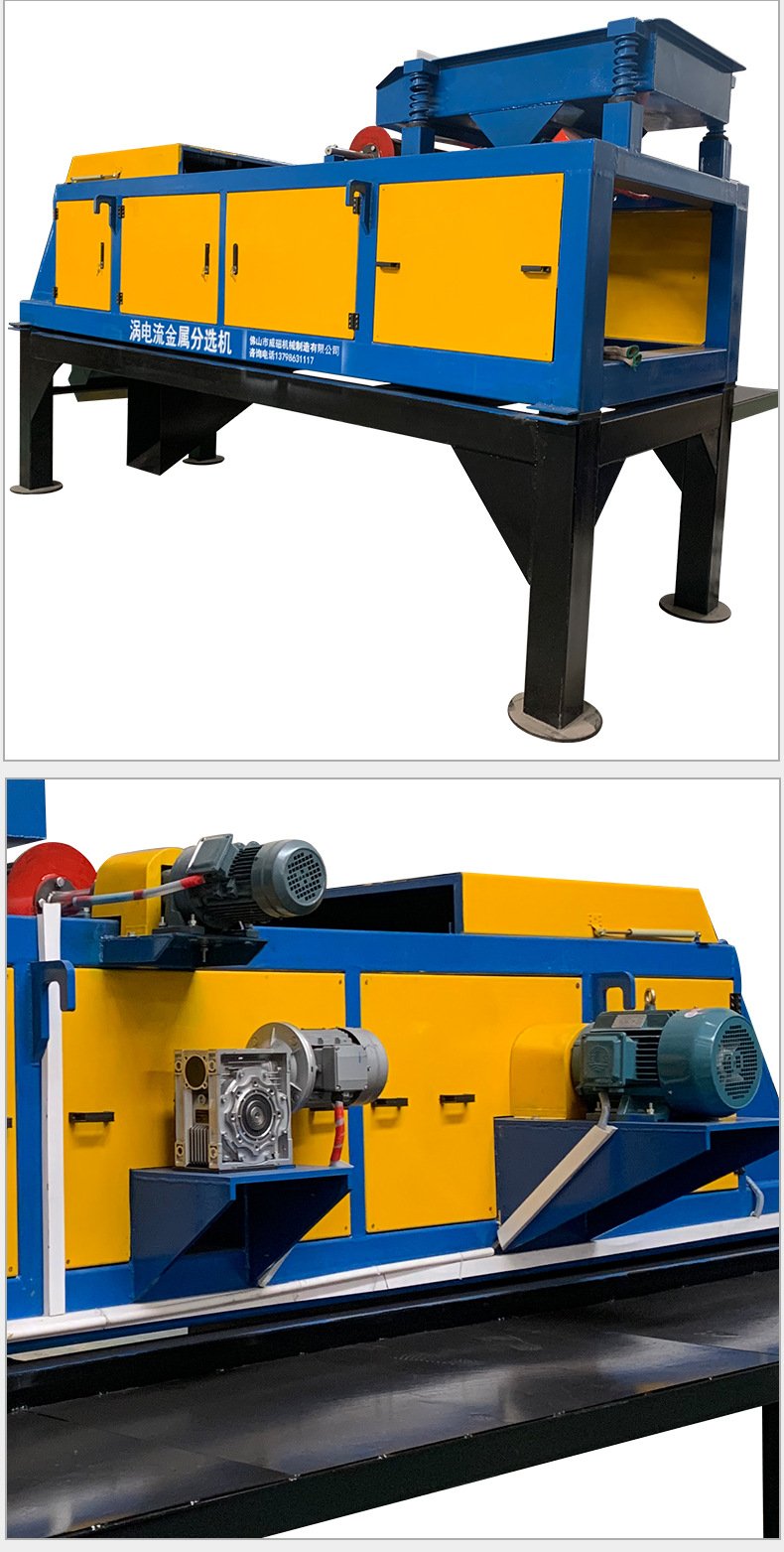
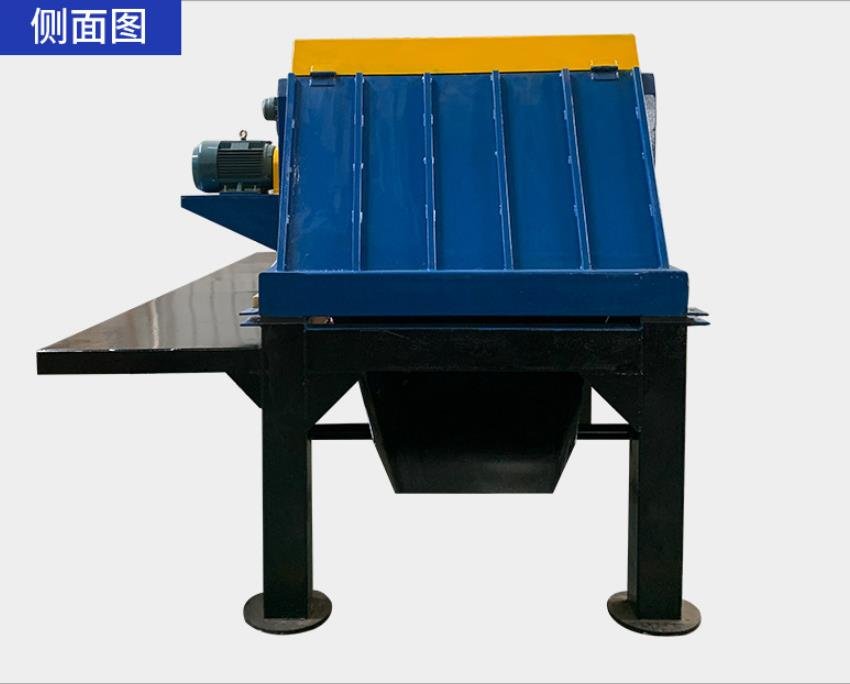
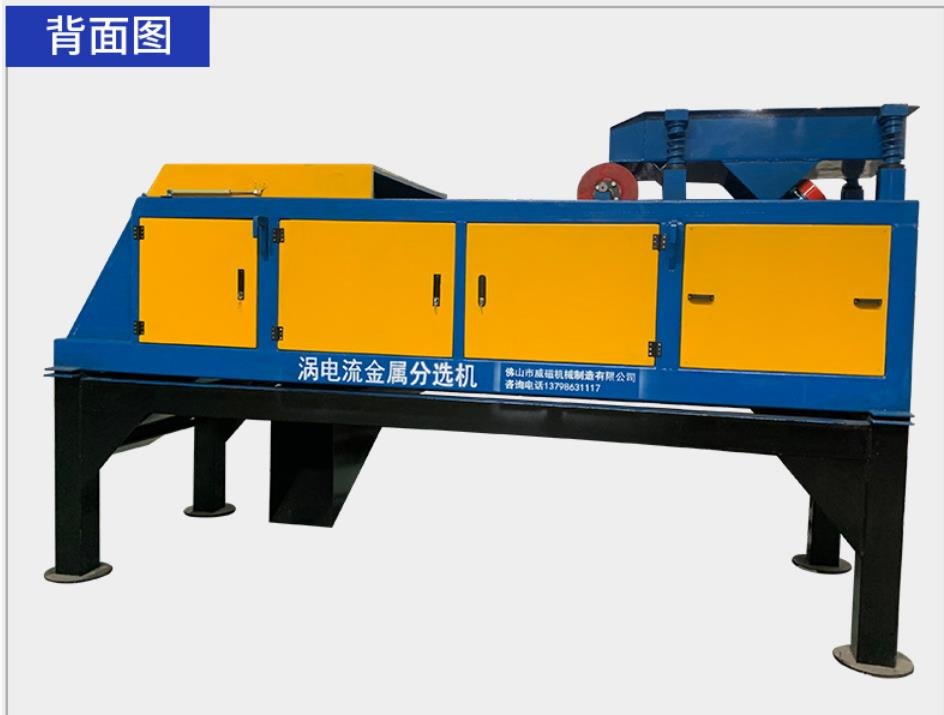
Structural Frame: Lightweight yet robust construction for industrial environments
Model Selection Guidelines
Capacity-Based Recommendations
-
Small-scale Operations (2-5 m³/h): HTECS-3 to HTECS-5 models for pilot plants and limited facilities
-
Medium-scale Processing (5-10 m³/h): HTECS-6 to HTECS-8 for established recycling operations
-
High-volume Facilities (10-15 m³/h): HTECS-10 to HTECS-15 for industrial-scale recycling plants
-
Maximum Throughput (17-20 m³/h): HTECS-20 for large-scale municipal or industrial operations
Application-Specific Selection
-
Municipal Waste Processing: HTECS-8 to HTECS-12 for typical MRF operations
-
Automotive Shredder Residue: HTECS-10 to HTECS-15 for vehicle recycling facilities
-
Electronic Waste Processing: HTECS-5 to HTECS-8 for specialized e-waste operations
-
Industrial Scrap Recovery: HTECS-6 to HTECS-10 for manufacturing and industrial applications
Industry Applications in Detail
Municipal Solid Waste Recycling
-
Aluminum Can Recovery: 95%+ recovery rate from mixed municipal waste streams
-
Material Purity: >98% aluminum purity in recovered fractions
-
Throughput Capacity: 2-20 m³/h depending on model selection
-
Integration: Seamless integration with existing MRF sorting lines
Automotive Recycling Operations
-
Non-ferrous Recovery: Efficient separation of aluminum and copper from shredder residue
-
Material Value Optimization: Maximum recovery of valuable automotive metals
-
Contamination Reduction: Significant reduction in landfill-bound materials
-
Environmental Compliance: Meeting regulatory requirements for vehicle recycling
Electronic Waste Processing
-
Precious Metal Recovery: Efficient separation of copper, aluminum, and other conductive materials
-
Component Processing: Handling of circuit boards, connectors, and electronic components
-
Safety Compliance: Designed for safe processing of electronic waste materials
-
Value Maximization: Optimal recovery of valuable metals from complex e-waste streams
Industrial & Manufacturing Applications
-
Production Line Integration: Removal of metal impurities from plastic recycling streams
-
Quality Control: Ensuring material purity in manufacturing processes
-
By-product Recovery: Extracting value from industrial waste and by-products
-
Process Optimization: Enhancing overall efficiency of material processing operations
Technical Advantages Over Competing Systems
vs. Traditional Separation Methods
-
Higher Recovery Rates: 20-30% improvement over mechanical separation systems
-
Better Material Purity: Reduced contamination in recovered non-ferrous fractions
-
Greater Throughput: Higher processing capacities with comparable footprint
-
Lower Operating Costs: Reduced labor requirements and maintenance costs
vs. Other Eddy Current Separators
-
Higher Magnetic Intensity: >3500 GS surface magnetic field for superior separation
-
Greater Speed Range: Wider adjustment ranges for belt and drum speeds
-
Improved Adaptability: Better performance across diverse material types
-
Enhanced Durability: Robust construction for demanding industrial environments
Installation & Operational Requirements
Site Preparation
-
Foundation Requirements: Level concrete foundation sized according to model specifications
-
Space Allocation: Adequate clearance for maintenance access and material flow
-
Power Supply: Standard industrial electrical connections (380V typical)
-
Material Handling: Proper interfaces for feed systems and collection containers
-
Environmental Controls: Adequate ventilation and dust control systems
Optimal Operating Conditions
-
Feed Material Size: 5-120 mm for optimal separation efficiency
-
Material Preparation: Proper sizing and liberation for maximum recovery
-
Moisture Control: Limited moisture content for optimal separation performance
-
Temperature Range: Standard operating temperatures 0-40°C
-
Maintenance Schedule: Weekly inspection, monthly comprehensive maintenance
Performance Metrics & Quality Standards
Separation Efficiency
-
Non-ferrous Recovery Rate: 90-98% depending on material type and preparation
-
Material Purity: >95% purity in recovered non-ferrous fractions
-
Throughput Achievement: Consistent operation within specified capacity ranges
-
Adaptability: Effective performance across varying feed materials and conditions
Operational Reliability
-
Uptime Availability: >95% operational availability with proper maintenance
-
Service Life: 7-10 years with standard maintenance and component replacement
-
Performance Consistency: Stable separation efficiency over extended operation periods
-
Component Durability: Long-lasting wear components with easy replacement
Economic Benefits & ROI Analysis
Cost Savings & Revenue Generation
-
Material Value Recovery: Significant revenue from recovered aluminum and copper
-
Reduced Landfill Costs: Lower disposal fees through material recovery
-
Energy Efficiency: Optimized power consumption for maximum cost-effectiveness
-
Labor Optimization: Reduced manual sorting requirements
-
Maintenance Costs: Simplified design with minimal service requirements
Operational Advantages
-
Increased Throughput: Higher processing capacities support business growth
-
Quality Enhancement: Superior material purity commands premium prices
-
Process Efficiency: Streamlined operations with reduced manual intervention
-
Regulatory Compliance: Meeting environmental and recycling regulations
-
Market Competitiveness: Enhanced capabilities for competitive advantage
Technical Support & Services
Pre-installation Services
-
Application Analysis: Technical evaluation of specific material streams
-
System Design: Customized configuration recommendations
-
Site Planning: Installation layout and integration planning
-
Performance Prediction: Expected recovery rates and throughput calculations
Installation & Commissioning
-
Technical Supervision: On-site guidance during installation
-
Performance Testing: Verification of separation efficiency
-
Operator Training: Comprehensive operational training
-
Documentation: Complete technical manuals and specifications
After-sales Support
-
Technical Assistance: Ongoing optimization support
-
Spare Parts Availability: Critical components inventory
-
Performance Monitoring: Optional remote monitoring services
-
Upgrade Services: Technology enhancements as available
Environmental Impact & Sustainability
Environmental Benefits
-
Resource Conservation: Significant reduction in virgin material extraction
-
Energy Savings: Up to 95% energy savings compared to primary metal production
-
Waste Reduction: Substantial decrease in landfill-bound materials
-
Carbon Footprint Reduction: Lower greenhouse gas emissions through recycling
-
Circular Economy Support: Enabling closed-loop material cycles
Compliance & Certification
-
Environmental Standards: Meets international recycling and waste management regulations
-
Safety Certifications: Compliant with electrical and mechanical safety standards
-
Quality Management: ISO-certified manufacturing processes
-
Performance Verification: Independently verified recovery rates and efficiencies
Ordering Information
Standard Package Includes
-
Complete Eddy Current Separator unit
-
Motor and drive systems with speed controls
-
Electrical control panel with adjustment capabilities
-
Collection chutes and separation chambers
-
Installation and operation manual
-
Basic maintenance tool kit
-
Initial spare parts package
Optional Accessories
-
Feeding Systems: Various conveyor and feeding options
-
Collection Systems: Enhanced material handling and storage solutions
-
Automation Upgrades: Advanced control and monitoring systems
-
Dust Control: Integrated dust suppression and collection systems
-
Mobile Configuration: Wheeled bases for flexible deployment
Delivery & Warranty
-
Lead Time: 10-14 weeks for standard models
-
Customization: Additional time for specialized requirements
-
Shipping: Worldwide export capabilities
-
Standard Warranty: 12 months comprehensive coverage
-
Extended Support: Optional service agreements available
Reviews
There are no reviews yet.